Live Scan vs Ink Fingerprinting in Canada: Which Is Better for RCMP Background Checks?
Choosing between Ink & Roll and Digital Fingerprinting? Discover how Live-Scan technology provides faster processing, better accuracy, secure electronic transmission, and a more convenient experience compared to traditional fingerprinting methods.
Ink & Roll or Digital Fingerprinting?
Fingerprinting has been one of the most trusted methods of personal identification for over a century. Traditionally, fingerprints were captured using the ink & roll method, where fingers are coated with ink and rolled onto paper cards. Today, however, advancements in technology have made digital fingerprinting, also known as live-scan fingerprinting, the preferred choice for individuals, employers, government agencies, and law enforcement organizations.
If you need fingerprints for immigration, employment, citizenship, police clearances, or international applications, understanding the difference between these two methods can help you choose the right option.
What Is Ink & Roll Fingerprinting?
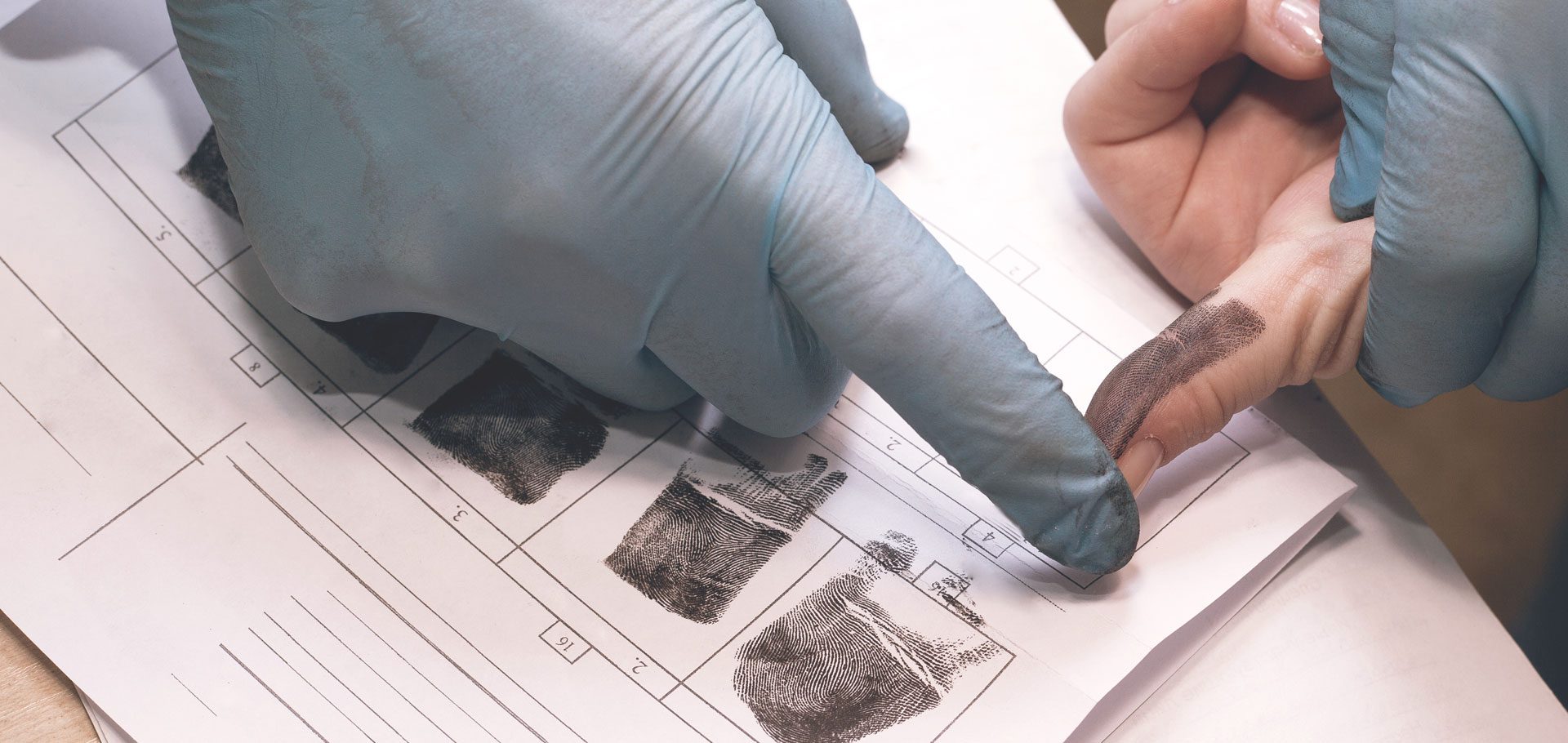
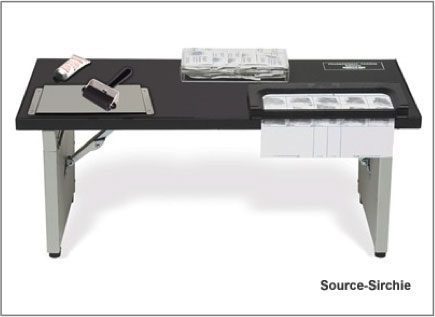
Ink & roll fingerprinting is the traditional method of capturing fingerprints on paper. During the process, a fingerprint technician applies fingerprint ink to each finger and carefully rolls it from nail edge to nail edge on a fingerprint card or form.
This method has been used worldwide for decades and is still required by some organizations and foreign agencies that request fingerprints on a specific card or form.
Limitations of Ink & Roll Fingerprinting
Although widely accepted, the ink & roll method has several drawbacks:
- Fingerprints can become smudged if the pressure is uneven.
- Excess ink may obscure important ridge details.
- Inked fingerprints must be digitized before electronic submission.
- If one or more fingerprints are unclear, the entire fingerprint card may need to be redone.
- The process can be messy, leaving ink residue on the applicant’s hands.
- Quality control is more difficult compared to digital systems.
Tip: Before booking your appointment, check with the requesting organization to determine whether they require digital (Live-Scan) fingerprints or traditional Ink & Roll fingerprints on a specific card or form. Choosing the correct fingerprinting method can help avoid delays, rejections, and the need to repeat the process.
What Is Live-Scan Digital Fingerprinting?
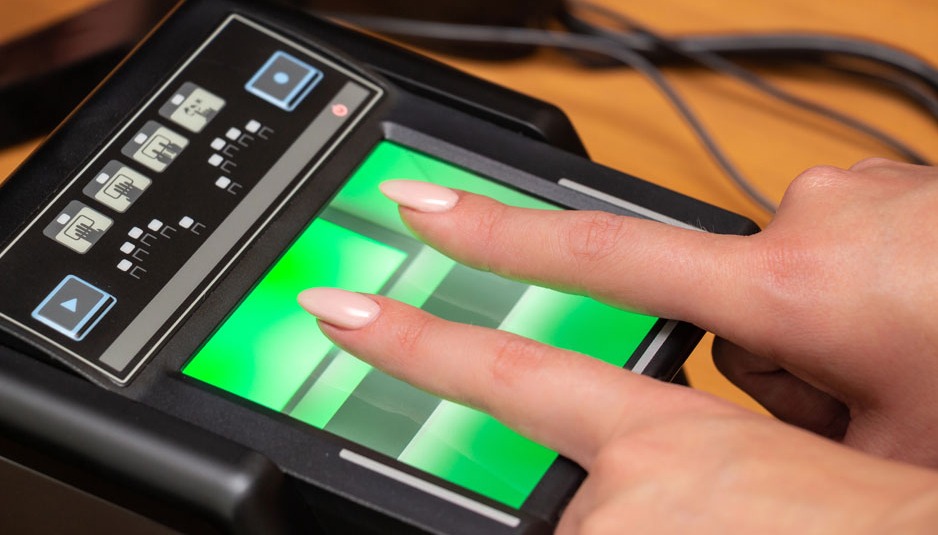
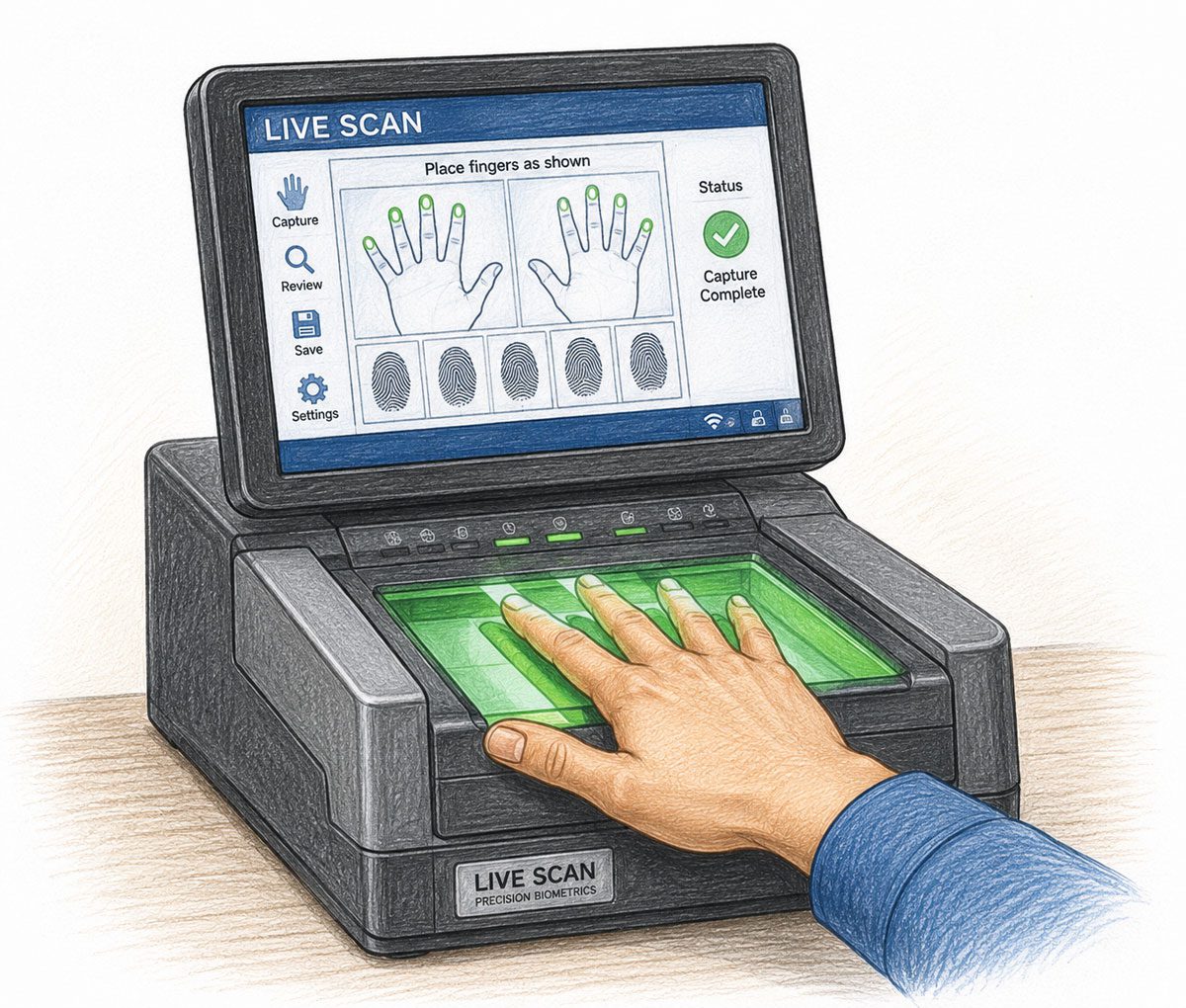
Live-scan fingerprinting is a modern, ink-free method that captures fingerprints electronically using a high-resolution scanner. Instead of applying ink to the fingers, applicants simply place their fingertips on a glass scanning surface.
The digital images are instantly reviewed for quality and can be securely transmitted to government agencies and law enforcement databases.
In Canada, RCMP-accredited fingerprinting agencies use certified live-scan systems to submit fingerprints electronically to the RCMP for criminal record checks and other screening purposes.
Common Uses for Live-Scan Fingerprinting
Digital fingerprinting is commonly used for:
- Canadian Citizenship Applications
- Immigration and Permanent Residency
- Employment Screening
- Record Suspensions (Pardons)
- Adoption Applications
- Visa Applications
- U.S. Entry Waivers
- Foreign Travel and Employment
- Security Clearances
- Child Custody Matters
- Volunteer Screening
The entire process typically takes only 10–15 minutes and provides a faster, more convenient experience than traditional fingerprinting.
Benefits of Live-Scan Fingerprinting
1. Faster Processing
Digital fingerprints can be captured and submitted within minutes, eliminating delays associated with mailing physical fingerprint cards.
2. Superior Image Quality
Live-scan technology automatically checks image quality and allows fingerprints to be retaken immediately if necessary.
3. No Messy Ink
Since no ink is used, applicants avoid stained hands and the inconvenience of cleaning up afterward.
4. Secure Electronic Transmission
Digital fingerprints are encrypted and transmitted securely to the appropriate agency, reducing the risk of loss or damage.
5. Reduced Errors
The ability to review fingerprint quality in real time minimizes rejection rates and improves processing efficiency.
6. Immediate Retakes
Unlike paper fingerprint cards, digital fingerprints can be recaptured instantly without repeating the entire process.
Can Live-Scan Fingerprints Be Used on Paper Forms?
Yes. Many people mistakenly believe that live-scan fingerprints can only be submitted electronically.
In fact, fingerprints captured digitally can also be printed onto standard fingerprint forms, including:
- FBI Fingerprint Cards
- RCMP Form C-216C
- Foreign Police Clearance Forms
- Professional Licensing Fingerprint Cards
This provides the best of both worlds: superior image quality and compatibility with organizations that still require paper fingerprint submissions.
When Is Ink & Roll Fingerprinting Still Required?
While digital fingerprinting has become the preferred option, some organizations still require fingerprints to be taken directly on a specific card or form.
Examples may include:
- Nursing boards
- Professional licensing authorities
- Foreign government agencies
- Certain international employers
- Legacy application processes
In these situations, ink & roll fingerprinting remains necessary.
So, Which Option Is Better?
For most applicants, live-scan digital fingerprinting is the clear winner.
It is faster, cleaner, more accurate, and provides better-quality fingerprint images. Digital fingerprints can be electronically transmitted to the RCMP and other agencies, significantly reducing processing times and minimizing the risk of rejection.
However, if an organization specifically requires fingerprints on a designated paper card or form, ink & roll fingerprinting may still be the only acceptable option.
How Worldwide Forensic Services Inc. Can Help
Worldwide Forensic Services Inc. is a trusted fingerprinting agency providing professional fingerprinting and background screening services across Canada.
Our experienced forensic professionals offer:
- Live-Scan Digital Fingerprinting
- Ink & Roll Fingerprinting
- RCMP Criminal Record Checks
- Fingerprint Digitization Services
- International Police Clearance Assistance
- FBI Fingerprint Card Services
- Apostille and Document Legalization Support
For clients residing outside Canada, we also provide ink fingerprint digitization services. Once your fingerprints are digitized, they can be securely transmitted to the RCMP for Canadian police clearance applications.
Whether you need fingerprints for immigration, employment, citizenship, foreign travel, or international police clearances, our team is ready to assist you with fast, reliable, and professional service.
Contact Worldwide Forensic Services Inc.
Need fingerprinting services or a Canadian police clearance certificate?
Contact Worldwide Forensic Services Inc. today to learn more about our live-scan fingerprinting, ink & roll fingerprinting, and international fingerprint digitization services.

Frequently Asked Questions
Share this article
Disclaimer: The information provided in this article is for general informational and educational purposes only. While Worldwide Forensic Services strives to keep the content accurate and up to date, laws, regulations, government policies, procedures, processing times, and documentation requirements may change without notice and may vary depending on individual circumstances and the requesting authority. This article does not constitute legal, immigration, or professional advice and should not be relied upon as a substitute for advice from the appropriate government agency or qualified professional. Readers are encouraged to verify current requirements with the relevant authority before making decisions or submitting applications.