How Live Scan Fingerprinting Works in Canada: A Complete Guide
Need an RCMP criminal record check or FBI fingerprint card? Learn how Live Scan fingerprinting works in Canada, why it’s faster than ink fingerprinting, and when you need it.
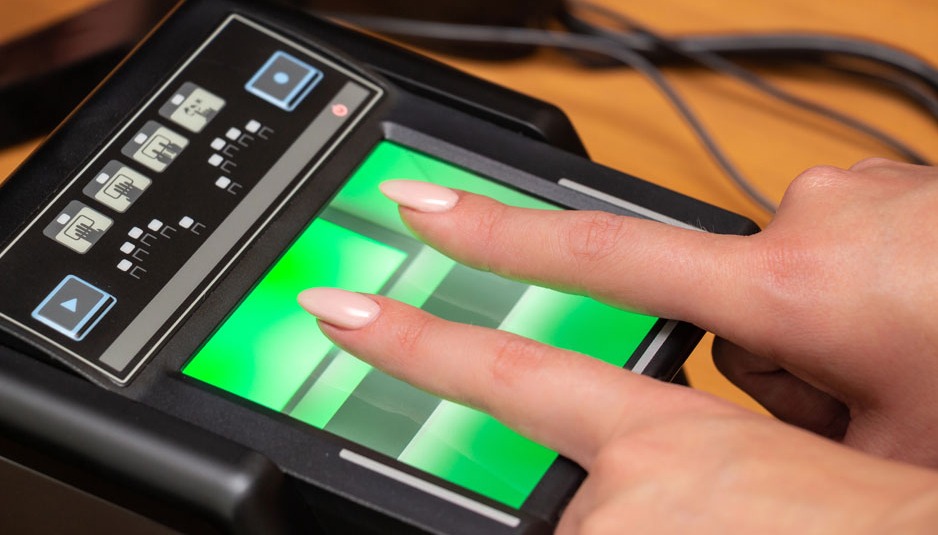
Live Scan fingerprinting has become the preferred method of capturing fingerprints in Canada for criminal record checks, immigration, employment screening, licensing, and identity verification. Unlike traditional ink fingerprinting, Live Scan technology captures fingerprints electronically, making the process faster, cleaner, and more accurate.
If you are applying for an RCMP criminal record check, a Canadian police certificate, or an FBI Identity History Summary while residing in Canada, understanding how Live Scan fingerprinting works can help you prepare for the process.
In this guide, we explain what Live Scan fingerprinting is, how it works in Canada, and when you may need it.
What Is Live Scan Fingerprinting?
Live Scan fingerprinting is an electronic method of capturing fingerprints using a specialized fingerprint scanner instead of ink and paper. The scanner records high-resolution images of each fingerprint and converts them into digital files that can be securely transmitted for processing.
In Canada, Live Scan fingerprinting is widely used by accredited fingerprinting agencies to submit fingerprints electronically to the Royal Canadian Mounted Police (RCMP) for certified criminal record checks and identity verification.
Compared to traditional ink fingerprinting, Live Scan technology significantly reduces errors caused by smudged or poor-quality fingerprints and allows for quicker processing.
How Does Live Scan Fingerprinting Work?
The Live Scan fingerprinting process is straightforward and usually takes less than 15 minutes.
Step 1: Identity Verification
Before fingerprints are captured, the applicant must present valid government-issued identification. The fingerprint technician verifies the applicant’s identity to ensure the fingerprints are submitted under the correct name.
Examples of acceptable identification include:
- Passport
- Driver’s Licence
- Permanent Resident Card
- Provincial Identification Card
Step 2: Electronic Fingerprint Capture
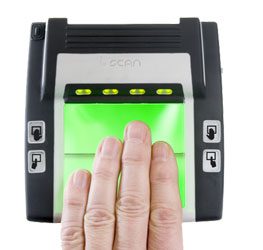
The applicant places each finger on a Live Scan fingerprint scanner.
Unlike ink fingerprinting, no ink or paper is required. The scanner captures multiple images of each finger to ensure the fingerprints meet RCMP quality standards.
If necessary, the technician can immediately recapture fingerprints that do not meet the required quality.
Step 3: Quality Check
The Live Scan software automatically checks fingerprint quality.
This quality assessment helps minimize rejected submissions caused by:
- Dry skin
- Smudged fingerprints
- Partial impressions
- Low ridge detail
Since poor-quality fingerprints can be corrected during the appointment, Live Scan has a much lower rejection rate than traditional ink fingerprinting.
Step 4: Secure Submission to the RCMP
Once the fingerprints have been successfully captured, they are encrypted and securely transmitted electronically to the RCMP’s Canadian Criminal Real Time Identification Services (CCRTIS).
The RCMP compares the fingerprints against the National Repository of Criminal Records for identity verification and criminal record information.
Step 5: Processing and Results
The RCMP processes the fingerprint submission and issues the requested criminal record check or other authorized report.
Processing times vary depending on:
- Reason for the fingerprint submission
- Whether a criminal record exists
- RCMP processing volumes
- Additional verification requirements
How Does the RCMP Authorize Fingerprinting Agencies?
The Royal Canadian Mounted Police (RCMP) permits only RCMP-accredited companies to electronically submit fingerprints to the Canadian Criminal Real Time Identification Services (CCRTIS). These companies must meet the RCMP’s technical, security, privacy, and operational requirements before they are authorized to transmit fingerprint submissions electronically.
When you visit an RCMP-accredited fingerprinting agency, your fingerprints are captured using approved Live Scan equipment. The fingerprints are then encrypted and securely transmitted to the RCMP’s National Repository of Criminal Records for processing. This electronic submission process is faster, more secure, and more accurate than mailing traditional ink fingerprint cards.
Other Names for Live Scan Fingerprinting
Many people use different terms when referring to Live Scan fingerprinting. Although the terminology varies, these terms generally describe the same electronic fingerprint capture process.
Depending on the organization or country, Live Scan fingerprinting may be referred to as:
- Live Scan Fingerprinting
- Digital Fingerprinting
- Electronic Fingerprinting
- RCMP Electronic Fingerprinting
- Digital Live Scan Fingerprinting
- Electronic Fingerprint Submission
- RCMP Fingerprinting
- Fingerprint-Based Criminal Record Check
- Electronic Biometric Fingerprinting
In Canada, Digital Fingerprinting and Electronic Fingerprinting are the terms most commonly used by RCMP-accredited companies, while Live Scan Fingerprinting is more commonly recognized internationally, particularly in the United States
When Is Live Scan Fingerprinting Required?
Live Scan fingerprinting is commonly required for:
Employment
Many employers require fingerprint-based criminal record checks for positions involving trust or security.
Examples include:
- Healthcare
- Financial institutions
- Government agencies
- Law enforcement
- Aviation
- Transportation
Immigration
Fingerprinting is often required for:
- Permanent Residence
- Citizenship applications
- Foreign immigration
- Work permits
- International police certificates
Many applicants also require FBI fingerprint cards while residing in Canada.
Professional Licensing
Several regulated professions require fingerprint-based background screening, including:
- Nurses
- Teachers
- Security guards
- Insurance professionals
- Real estate professionals
Adoption
Canadian and international adoption agencies often require RCMP fingerprint-based criminal record checks.
Volunteer Positions
Organizations working with children or vulnerable persons may require fingerprint verification when a name-based criminal record check cannot confirm identity.
Record Suspension
RCMP’s Certified Criminal Record Check is needed for applying for record suspnsion.

Advantages of Live Scan Fingerprinting
Live Scan fingerprinting offers several advantages over traditional ink fingerprinting.
Faster Processing
Electronic submission eliminates mailing delays.
Higher Accuracy
Digital fingerprint scanners capture clear, high-quality fingerprints.
Lower Rejection Rate
Poor-quality fingerprints can be corrected immediately during the appointment.
Secure Transmission
Fingerprints are encrypted before electronic submission to the RCMP.
Environmentally Friendly
No ink, chemicals, or paper fingerprint cards are required for most Canadian submissions.
Benefits of Choosing an RCMP-Accredited Fingerprinting Agency
Choosing an RCMP-accredited fingerprinting provider offers several advantages:
- Secure electronic submission directly to the RCMP
- Faster processing than traditional ink fingerprinting
- High-quality digital fingerprint capture with fewer rejections
- Compliance with RCMP technical and privacy standards
- Professional assistance for criminal record checks, immigration, citizenship, employment, licensing, and international police certificates
If your fingerprints are required for purposes outside Canada, such as an FBI Identity History Summary Check or a foreign police certificate, Worldwide Forensic Services Inc. can also capture your fingerprints digitally and print them onto the appropriate fingerprint cards required by the requesting authority.
Tip: Before your appointment, avoid using heavy hand lotions or chemicals that may affect fingerprint quality. If your hands are very dry, apply a light moisturizer several hours before your appointment to improve ridge detail.
Why Digital Fingerprinting Has Become the Preferred Method
Digital Live Scan fingerprinting has largely replaced traditional ink fingerprinting for Canadian criminal record checks because it offers greater accuracy, improved security, and faster processing. Since the quality of the fingerprints can be assessed immediately during the appointment, the likelihood of rejected submissions due to poor fingerprint impressions is significantly reduced. This makes Live Scan fingerprinting the preferred choice for applicants requiring RCMP-certified criminal record checks, immigration documents, professional licensing, and identity verification.
Special Considerations Before Your Appointment
Although Live Scan fingerprinting is a straightforward process, certain conditions may affect fingerprint quality.
Applicants with Henna (Mehndi)
Fresh or dark henna can temporarily obscure fingerprint ridge detail. If possible, wait until the henna has faded before scheduling your appointment.
Pregnant Applicants
Live Scan fingerprinting is completely safe during pregnancy. The equipment simply captures an image of your fingerprints and does not expose you to radiation or harmful energy.
Elderly Individuals
As we age, fingerprint ridges naturally become less defined. Experienced technicians use specialized techniques to obtain the highest-quality fingerprint images possible.
Applicants with Worn Fingerprints
Individuals working in construction, healthcare, manufacturing, farming, mechanics, or hairdressing may have worn fingerprints due to repeated manual work. Digital scanners and experienced technicians often produce usable fingerprint images despite reduced ridge detail.
Applicants with Amputated or Missing Fingers
Applicants with amputated or permanently missing fingers can still be fingerprinted. The technician records the missing fingers according to RCMP requirements, and the application can still be processed.
Temporary Cuts, Burns, or Skin Conditions
Cuts, burns, eczema, psoriasis, blisters, or peeling skin may temporarily affect fingerprint quality. When possible, wait until the skin has healed before your appointment.
Final Thoughts
Live Scan fingerprinting has transformed the way fingerprints are captured and processed in Canada, offering a faster, more secure, and highly accurate alternative to traditional ink-and-roll fingerprinting. Whether you need fingerprints for an RCMP Certified Criminal Record Check, immigration, citizenship, employment, adoption, volunteer screening, or international travel, understanding how the Live Scan process works can help you prepare and avoid unnecessary delays.
Choosing an experienced fingerprinting provider is just as important as understanding the process itself. A knowledgeable provider can verify your identification, ensure your fingerprints meet RCMP quality standards, and submit them electronically when eligible—helping to reduce processing issues and save valuable time.
At Worldwide Forensic Services Inc., we are committed to providing professional, reliable, and efficient fingerprinting services for clients across Canada and abroad. Our experienced team can guide you through the process, answer your questions, and help ensure your application is completed accurately from start to finish.
If you’re ready to book a Live Scan fingerprinting appointment or need assistance determining which fingerprinting service is right for your situation, contact Worldwide Forensic Services Inc. today. We’re here to help make the process simple, accurate, and stress-free.
How Worldwide Forensic Services Can Help
Worldwide Forensic Services offers professional digital fingerprinting services using advanced Live Scan technology. Our experienced fingerprint technicians assist individuals requiring:
- RCMP Certified Criminal Record Checks
- Digital fingerprinting
- FBI FD-258 fingerprint cards
- U.S. immigration fingerprinting
- Fingerprinting for foreign police certificates
We ensure that fingerprints are captured accurately and submitted in accordance with RCMP requirements to help reduce delays and rejected applications.

Frequently Asked Questions
Share this article
Disclaimer: The information provided in this article is for general informational and educational purposes only. While Worldwide Forensic Services strives to keep the content accurate and up to date, laws, regulations, government policies, procedures, processing times, and documentation requirements may change without notice and may vary depending on individual circumstances and the requesting authority. This article does not constitute legal, immigration, or professional advice and should not be relied upon as a substitute for advice from the appropriate government agency or qualified professional. Readers are encouraged to verify current requirements with the relevant authority before making decisions or submitting applications.