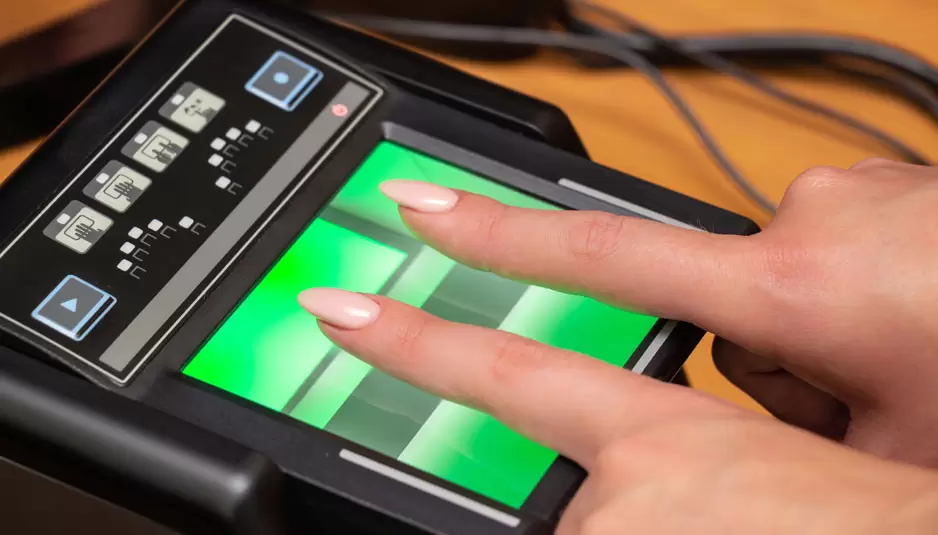
Canada Criminal Record Checks Explained: CRC, CRJMC, VSC and Fingerprint Based Checks
Criminal Record Checks in Canada are official background screening processes used to verify an individual’s criminal history. The main types include Name and Date of Birth-Based Criminal Record Checks, Criminal Record and Judicial Matters Checks, Vulnerable Sector Checks, and Fingerprint-Based Checks processed through the RCMP National Repository. Understanding each type of Criminal Record Check in Canada is essential to avoid delays and ensure you apply for the correct document.
There are several types of Criminal Record Check Canada processes, and each serves a different legal and administrative purpose. Choosing the correct type is essential to avoid delays or rejection.
In this guide, we explain the main types of Criminal Record Check Canada options, including name-based checks, judicial matters checks, vulnerable sector checks, fingerprint-based checks, and the police checks for the US Immigration/Visa requirements.
Name and Date of Birth-Based Criminal Record Check (CRC)
A Name and Date of Birth-Based Criminal Record Check is the most common type of police record check in Canada.
It is conducted using:
- Full legal name
- Date of birth
- Gender (in some systems)
What it checks
- Criminal convictions in the Canadian Police Information Centre (CPIC) database
- Records linked to applicant’s name and date of birth
What it does NOT include
- It does not always include fingerprint verification
- It does not always confirm identity beyond a name match
- It does not provide a full court history of charges
Common uses
- Employment screening
- Volunteer work
- Basic licensing requirements
⚠️ Important: If a name-based search is unclear or produces a possible match, police may require fingerprints before issuing a final result.
Common Questions About Name and Date of Birth Based Checks
Question
Is a name and date of birth based check the same as fingerprint-based police clearance?
Answer
No. A name and date of birth based check is not the same as a fingerprint-based police clearance. Name-based checks rely on personal information to search records, while fingerprint-based checks are used to confirm identity more accurately and are often required when a certified criminal record check is needed through the RCMP.
Question
What information is required for a name and date of birth based check?
Answer
In most cases, you will need to provide your full legal name, date of birth, current address, and valid identification. Some organizations may also ask for previous names, previous addresses, or other supporting details depending on the purpose of the check.
Question
What is a CPIC check?
Answer
A CPIC check generally refers to a police check conducted by searching information through the Canadian Police Information Centre system using a person’s name and date of birth. It may be requested for employment, volunteering, or general background screening purposes.
Question
Does a name-based police check show a criminal record?
Answer
If the police find a possible match in their records, they may issue an incomplete result and request fingerprints to confirm whether the record actually belongs to the applicant. Fingerprint verification is then used to accurately confirm identity and determine whether a criminal record exists under applicant’s name.
Question
Can a name and date of birth based check be used for immigration or citizenship?
Answer
Not usually. Immigration, citizenship, visa, foreign travel, and international police clearance applications often require a fingerprint-based certified criminal record check rather than a basic name-based search. If the requesting authority specifically asks for an RCMP Certified Criminal Record Check, fingerprints are normally required.
Question
Is a name-based police check accepted for employment in Canada?
Answer
Yes, in many cases. Employers in Canada may request a name and date of birth based criminal record check for hiring purposes, especially for positions that require a general background screening. However, some employers, government agencies, and regulated professions may require a judicial matters check or fingerprint-based verification instead.
Question
Can I get a name and date of birth based check for volunteering?
Answer
Yes. Many volunteer organizations, schools, charities, and community groups request a name-based police check for volunteer positions. In some cases, especially where vulnerable persons are involved, additional screening may be required.
Question
How long does a name and date of birth based police check take in Canada?
Answer
Processing times vary depending on the police service or provider. Some name-based checks can be completed on the same day or within a few business days, while others may take longer if there is a high volume of requests or if additional review is needed. Worldwide Forensic Services Inc offers two hours service.
Question
Is a name-based police check the same as an RCMP Certified Criminal Record Check?
Answer
No. A name-based police check and an RCMP Certified Criminal Record Check are different. An RCMP Certified Criminal Record Check is based on fingerprints and is issued after fingerprint verification through the RCMP’s national repository. A name-based check is generally a non-certified search based on personal details.
Question
Can a name and date of birth based check be wrong or delayed because of a similar name?
Answer
Yes. Because the search is based on personal details rather than fingerprints, a name-based check can sometimes require additional review if a person has a common name, similar identifying details, or if a possible record match needs to be clarified. In some situations, fingerprinting may be requested to confirm identity.
Question
When are fingerprints required instead of a name-based check?
Answer
Fingerprints may be required when:
- the requesting organization needs an RCMP Certified Criminal Record Check
- a name-based search results in a possible match that must be confirmed
- the check is for immigration, citizenship, foreign travel, or international use
- the applicant needs a certified police clearance for legal, licensing, or government purposes
Question
Is a name-based police check enough for a visa or foreign police clearance?
Answer
Usually not. Foreign embassies, immigration authorities, and overseas employers often ask for a fingerprint-based certified police clearance rather than a basic name-based search. If the request specifically mentions an RCMP certified check or fingerprint-based police certificate, a name-based check will not be enough.
Question
What is the difference between a criminal record check and a judicial matters check?
Answer
A criminal record check generally provides basic information about criminal convictions where releasable. A judicial matters check may include additional information, such as certain outstanding charges, warrants, judicial orders, or other court-related information, depending on the type of screening and the applicable rules in your province or police jurisdiction.
Question
Can international clients apply for a Canadian police clearance using only name and date of birth?
Answer
If the request is for an official Canadian police clearance certificate or an RCMP Certified Criminal Record Check, fingerprints are usually required. A simple name-based check is generally not a substitute for an official fingerprint-based police clearance for immigration, foreign residency, or overseas legal purposes.
Question
How do I know whether I need a name-based check or fingerprints?
Answer
The easiest way is to look at what the requesting organization has asked for. If they ask for a basic criminal record check, CPIC check, or name-based police check, a name and date of birth based search may be sufficient. If they ask for an RCMP Certified Criminal Record Check, fingerprint-based police clearance, or a police certificate for immigration, visa, citizenship, or international use, fingerprints are usually required.
Question
How long is a name and date of birth based check valid?
Answer
There is no universal validity period in Canada. The usefulness of the check depends on the organization requesting it. Some employers or agencies accept checks issued within the last three months, while others may require one issued within six months or another specific period.
Question
Can I apply for a name and date of birth based check online?
Answer
This depends on the provider or police service. Some organizations offer online applications for name-based checks, while others may require in-person identity verification or supporting documents before processing the request.
Question
When should I choose a fingerprint-based police clearance instead?
Answer
You should consider fingerprint-based police clearance if you need:
- an RCMP Certified Criminal Record Check
- a police certificate for immigration, citizenship, visa, or foreign residency
- a certified result for adoption, legal matters, or international employment
- identity confirmation after a possible match on a name-based search
- a more reliable form of identity verification for official purposes
Question
How can I get my fingerprints and photo destroyed from the RCMP’s database?
Answer
Please visit this page Toronto Police.

Criminal Record and Judicial Matters Check (CRJMC)
It may include:
- Criminal convictions
- Outstanding charges
- Warrants
- Peace bonds
- Probation orders
- Discharges (within disclosure periods)
The Criminal Record Check Canada CRJMC is used when a higher level of trust is required.
Common uses
- Government jobs
- Healthcare
- Financial institutions
- Security-sensitive roles
Common Questions About Judicial Matters Check (CRJMC)
Question
What information can appear on a CRJMC?
Answer
A CRJMC may include:
- criminal convictions for which a pardon or record suspension has not been granted
- findings of guilt under the Youth Criminal Justice Act in limited circumstances where disclosure is permitted
- absolute and conditional discharges within the applicable disclosure period
- outstanding charges, arrest warrants, and certain judicial orders where releasable
- probation orders, prohibition orders, and other court-related information where permitted by law
The exact contents may vary depending on the police service or authorized provider and the rules governing disclosure.
Question
Is a CRJMC the same as a basic criminal record check?
Answer
No. A CRJMC is generally broader than a basic criminal record check. A basic criminal record check usually focuses on criminal convictions that can be disclosed, while a CRJMC may also include certain judicial matters such as outstanding charges, warrants, discharges, and court orders if they are releasable.
Question
Is a CRJMC the same as a Vulnerable Sector Check?
Answer
No. A Criminal Record and Judicial Matters Check is different from a Vulnerable Sector Check. A Vulnerable Sector Check is a more specialized screening process used for positions of trust or authority involving vulnerable persons, such as children, seniors, or individuals with disabilities. If the position specifically requires a Vulnerable Sector Check, a CRJMC alone may not be enough.
Question
Who usually needs a Criminal Record and Judicial Matters Check?
Answer
A CRJMC may be requested for:
- employment in certain regulated or sensitive positions
- volunteer roles
- student placements or internships
- licensing applications
- positions involving trust, supervision, or access to confidential environments
- organizations that want more information than a basic criminal record check provides
The requesting employer, school, regulator, or organization usually decides which level of check is required.
Question
Can I use a CRJMC for immigration, visa, or citizenship purposes?
Answer
Usually not. A CRJMC is generally intended for domestic employment, volunteering, licensing, and screening purposes in Canada. Immigration, citizenship, visa, foreign residency, and international police clearance applications often require an RCMP Certified Criminal Record Check based on fingerprints rather than a CRJMC.
Question
Does a CRJMC require fingerprints?
Answer
Not always. A CRJMC often begins as a name- and date-of-birth-based police check. However, if the police locate a possible match in their records, they may provide an incomplete result and ask for fingerprints to confirm identity. Fingerprints help determine whether the record actually belongs to the applicant.
Question
Why would fingerprints be requested after a CRJMC application?
Answer
Fingerprints may be requested if:
- the applicant has a common name or similar personal details to someone in police records
- the police find a possible match that cannot be confirmed through name and date of birth alone
- identity needs to be verified before releasing a final result
In these cases, fingerprints are used to confirm whether the record belongs to the applicant and to complete the screening process accurately.
Question
How long does a Criminal Record and Judicial Matters Check take?
Answer
Processing times vary by police service, jurisdiction, and application method. Some CRJMC applications may be completed within a few business days, while others can take longer if additional review is needed or if fingerprints are requested to confirm a possible match.
Worldwide Forensic Services Inc can provide Judicial Matters Checks in two hours or less.
Question
Will a CRJMC show outstanding charges or warrants?
Answer
It may. One of the key differences between a CRJMC and a basic criminal record check is that a CRJMC may include certain outstanding charges, warrants, and other judicial matters where disclosure is permitted. The exact scope of disclosure depends on the police service’s policies and applicable law.
Vulnerable Sector Check (VSC)
A Criminal Record Check Canada Vulnerable Sector Check is the highest level of screening.
It is required for individuals working with:
- Children
- Seniors
- Persons with disabilities
It may include:
- Criminal convictions
- Relevant judicial matters
- Limited non-conviction records (strictly regulated)
- Pardoned sexual offences (under legal authority)
A Criminal Record Check Canada VSC is only issued when legally authorized.
Common Questions About Vulnerable Sector Check (VSC)
Question
Who usually needs a Vulnerable Sector Check?
Answer
A VSC may be required for people applying to work or volunteer in roles such as:
- teachers, school staff, and tutors
- daycare workers and child care providers
- nurses, caregivers, and health care workers
- volunteers in youth programs, sports, or community organizations
- staff working in long-term care homes, group homes, or support services
- religious, recreational, or social service roles involving direct contact with vulnerable persons
The organization requesting the check decides whether a VSC is required.
Question
How is a Vulnerable Sector Check different from a Criminal Record Check?
Answer
A Vulnerable Sector Check is more detailed than a basic Criminal Record Check. A basic Criminal Record Check generally focuses on criminal convictions that can legally be disclosed. A VSC may include additional screening steps and may also involve a search process to determine whether there is any releasable information connected to record suspensions for sexual offences, where the law allows such checks to be conducted.
Question
How is a VSC different from a Criminal Record and Judicial Matters Check (CRJMC)?
Answer
A Criminal Record and Judicial Matters Check (CRJMC) may include criminal convictions, certain outstanding charges, warrants, judicial orders, and other judicial matters that can legally be released. A Vulnerable Sector Check goes a step further for eligible positions involving vulnerable persons and may include additional screening required under the vulnerable sector process.
Question
Can anyone request a Vulnerable Sector Check?
Answer
No. A Vulnerable Sector Check is generally only available when it is required for a position involving vulnerable persons. You will usually need a request from an employer, volunteer organization, school, licensing body, or another authorized organization that confirms the role requires a VSC.
Question
Do I need a letter from the employer or organization for a VSC?
Answer
In many cases, yes. Police services and authorized providers often require proof that the position involves working with vulnerable persons and that a Vulnerable Sector Check has been requested. This may be in the form of a letter, form, or official request from the organization.
Question
Does a Vulnerable Sector Check require fingerprints?
Answer
Not always at the beginning. A VSC often starts as a name- and date-of-birth-based search. However, if the police find a possible match or need to confirm identity, they may ask for fingerprints. Fingerprints are used to determine whether the record actually belongs to the applicant and to complete the process accurately.
Worldwide Forensic Services Inc offers fingerprinting services for VSC if requested by the police.
Question
Why would fingerprints be requested after I apply for a VSC?
Answer
Fingerprints may be requested if:
- the police locate a possible match in their records
- your name and date of birth are similar to someone else in the system
- identity cannot be confirmed based on personal details alone
If this happens, the police may provide an incomplete result and ask you to complete fingerprinting before the Vulnerable Sector Check can be finalized.
Question
What information can appear on a Vulnerable Sector Check?
Answer
The exact contents depend on the police service, the applicable laws, and the type of releasable information permitted in your jurisdiction. A VSC may include:
- criminal convictions that can legally be disclosed
- certain judicial matters or police record information where authorized
- a vulnerable sector screening component for eligible positions involving vulnerable persons
The final result depends on the applicable disclosure rules and the outcome of the screening process.
Question
Does a Vulnerable Sector Check show pardoned or suspended records?
Answer
A Vulnerable Sector Check may include a screening process related to certain sexual offence record suspensions where the law authorizes that search and where the role meets the vulnerable sector requirements. This is one of the reasons a VSC is different from a standard criminal record check.
Question
Can I use a Vulnerable Sector Check for immigration, visa, or foreign travel purposes?
Answer
Usually not. A Vulnerable Sector Check is intended for employment, volunteer, placement, and licensing situations in Canada involving vulnerable persons. It is generally not a substitute for an RCMP Certified Criminal Record Check required for immigration, visa, foreign residency, or international police clearance purposes.
Question
Is a Vulnerable Sector Check valid across all provinces in Canada?
Answer
The check itself may be requested and processed under the rules of the police service or provider handling the application, but the acceptance of the result depends on the employer or organization requesting it. Different provinces, employers, and volunteer organizations may have their own policies about how recent the check must be and whether a new one is required.
Question
Can I apply for a Vulnerable Sector Check online?
Answer
This depends on the police service or authorized provider. Some organizations offer online applications for certain police checks, while others may require identity verification, supporting documents, or in-person processing depending on local procedures and the type of role.
Question
Can I get a Vulnerable Sector Check if I do not live in Canada right now?
Answer
That depends on the policies of the police service or organization handling the request and whether the VSC is required for a Canadian role involving vulnerable persons. In many cases, a VSC is tied to local police screening requirements and may not be processed in the same way as an RCMP Certified Criminal Record Check for international purposes.
Need Fingerprinting After a VSC Match?
If you applied for a Vulnerable Sector Check and were told that fingerprints are required to confirm a possible match, Worldwide Forensic Services Inc. can help. We provide professional fingerprinting services and can guide you through the next steps if your Vulnerable Sector Check cannot be completed based on name and date of birth alone.
Fingerprint-Based Criminal Record Check Canada
A fingerprint-based Criminal Record Check Canada is the most accurate method of identity verification.
It is processed through:
- RCMP National Repository
- CCRTIS (Canadian Criminal Real Time Identification Services)
Benefits
- Full identity confirmation
- Eliminates name-based errors
- Required for immigration and international use
A fingerprint-based Criminal Record Check Canada is often required for:
- Immigration
- Citizenship
- Foreign employment
- Legal name-based conflicts
Common Questions About Fingerprint-Based Criminal Record Check Canada
Question
Why are fingerprints required for a criminal record check?
Answer
Fingerprints are required to ensure accurate identification. Since names and dates of birth can be similar, fingerprints eliminate the risk of mistaken identity and provide a reliable match to the RCMP criminal records database.
Question
How does the fingerprint-based RCMP check process work?
Answer
The process involves:
- Capturing fingerprints using Live Scan or ink fingerprints digitization
- Submitting fingerprints electronically to the RCMP
- RCMP verifying identity and checking national criminal databases
- Issuing the Certified Criminal Record Check if no issues are found or as applicable
Question
What information is included in an RCMP fingerprint-based criminal record check?
Answer
The report may include:
- Criminal convictions (if any)
- Identity confirmation based on fingerprints
- Any relevant criminal record information held in the RCMP database
The final content depends on the purpose of the request and disclosure rules.
Question
What happens if my fingerprints are rejected?
Answer
If fingerprints are unclear due to age, skin condition, or poor quality, the RCMP may request a re-submission. Many fingerprinting service providers offer a free or discounted re-take to ensure successful processing. Worldwide Forensic Service provides free re-take.
Question
Can I get a fingerprint-based criminal record check from outside Canada?
Answer
Applicants outside Canada can use ink fingerprinting on RCMP forms (FD-258 or C-216C), which can then be submitted through an authorized Canadian agency for processing. Worldwide Forensic Services Inc has been offering this service since 2009 and have processed over 50,000 such applications.
Question
What should I do if I am told fingerprints are required after a name-based check?
Answer
If a possible match is found during a name-based check, you will be asked to provide fingerprints to confirm identity. Once submitted, the RCMP will complete the verification and issue the final result.
Need Help With Fingerprinting?
If you require a fingerprint-based criminal record check in Canada, Worldwide Forensic Services Inc. provides professional Live Scan and ink fingerprinting services with secure submission to the RCMP for fast and reliable processing. Worldwide Forensic Services Inc also provides ink fingerprints digitization and transmission services to the applicants living outside Canada.
Criminal Record Check Canada for US Visa & Immigration
The U.S. authorities have different requirements for Canadian police checks
For U.S. immigration and visa applications, applicants may be required to obtain a Canadian Police Certificate for personal use based on the RCMP National Repository of Criminal Records (entire holdings) issued by the Royal Canadian Mounted Police (RCMP). This type of certified criminal record check is typically generated through fingerprint-based verification and confirms whether an individual has any criminal record entries recorded in Canada’s national database. It is commonly used for immigration purposes because it provides a complete and authoritative search of the RCMP’s criminal records repository. However, requirements can vary depending on the specific U.S. visa category or immigration program, so applicants should always confirm the exact document format requested by the relevant U.S. authority before applying.
This police report is issued under the privacy act and the RCMP will only send it directly to the applicant (no third party). This report does not have a photo or the fingerprints of the applicant like the certified criminal record check issued for the other countries.
This police report is issued under the Privacy Act, and the RCMP provides it directly to the applicant only, with no disclosure to third parties. Unlike a certified criminal record check issued for other countries, this report does not include a photograph or the applicant’s fingerprints.
Tip: Always confirm the exact Criminal Record Check Canada type required before applying. Submitting the wrong type is one of the most common reasons for delays.
Common Issues With Criminal Record Check Canada Applications
Many delays occur due to:
- Wrong type of Criminal Record Check Canada selected
- Name-based mismatch requiring fingerprints
- Poor fingerprint quality
- Confusion between CRC and CRJMC
- Incorrect US immigration documentation
- Missing identity documents
How Worldwide Forensic Services Helps
Worldwide Forensic Services supports applicants with accurate Criminal Record Check Canada processing.
Services include:
- RCMP fingerprint-based Criminal Record Check Canada
- Basic Name-and Date of Birth Based Check (Two Hours Service)
- Judicial Matters Checks (Level 2 Screening)
- Fingerprints Based Checks for the US Immigration/Visa
- Apostille Services
We do not offer Vulnerable Sector Checks.

Final Thoughts
Understanding Canadian criminal record checks is essential for anyone applying for employment, licensing, immigration, or international travel. Each type of check, whether it is a name and date of birth-based Criminal Record Check, a Criminal Record and Judicial Matters Check, a Vulnerable Sector Check, or a fingerprint-based RCMP certified check, serves a specific purpose and follows different disclosure rules. Choosing the correct option helps avoid delays, misunderstandings, and incomplete results.
Because each situation is unique, applicants are encouraged to confirm requirements before applying and ensure they are requesting the correct type of police check from the beginning. This helps ensure a smoother process and reduces the need for repeat applications or additional verification steps.
With the right guidance and proper documentation, obtaining a Canadian police check for domestic or international use can be a straightforward and efficient process.
Share this article
Disclaimer: The information provided in this article is for general informational and educational purposes only. While Worldwide Forensic Services strives to keep the content accurate and up to date, laws, regulations, government policies, procedures, processing times, and documentation requirements may change without notice and may vary depending on individual circumstances and the requesting authority. This article does not constitute legal, immigration, or professional advice and should not be relied upon as a substitute for advice from the appropriate government agency or qualified professional. Readers are encouraged to verify current requirements with the relevant authority before making decisions or submitting applications.